Published: 13 March 2026
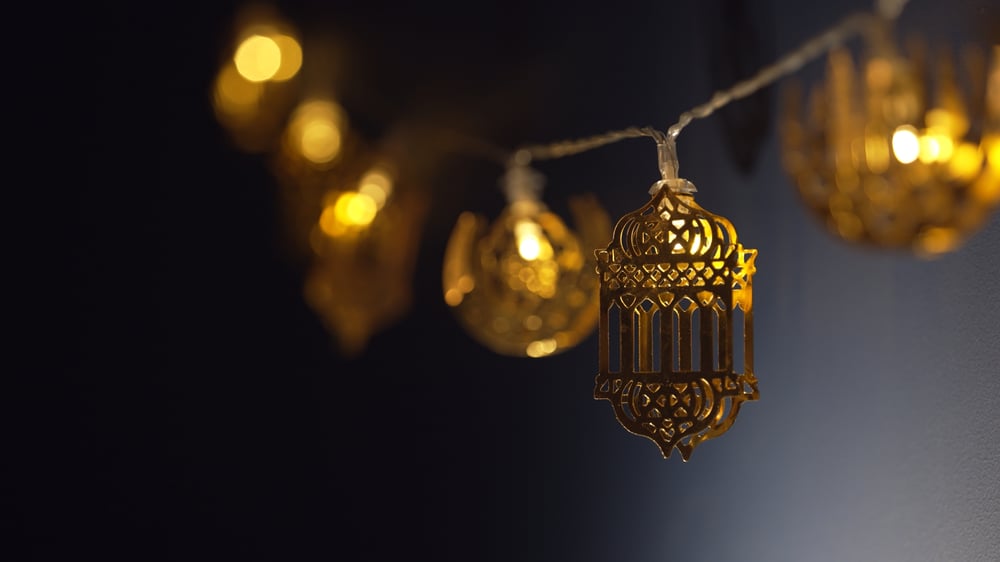
With the arrival of the blessed month of Ramadan, signs of joy and celebration begin to spread across the regions of Saudi Arabia. People then turn their attention to Eid al-Fitr: a social and cultural occasion deeply woven into the Saudi consciousness, where spirituality meets tradition, and cities transform into spaces of collective celebration.
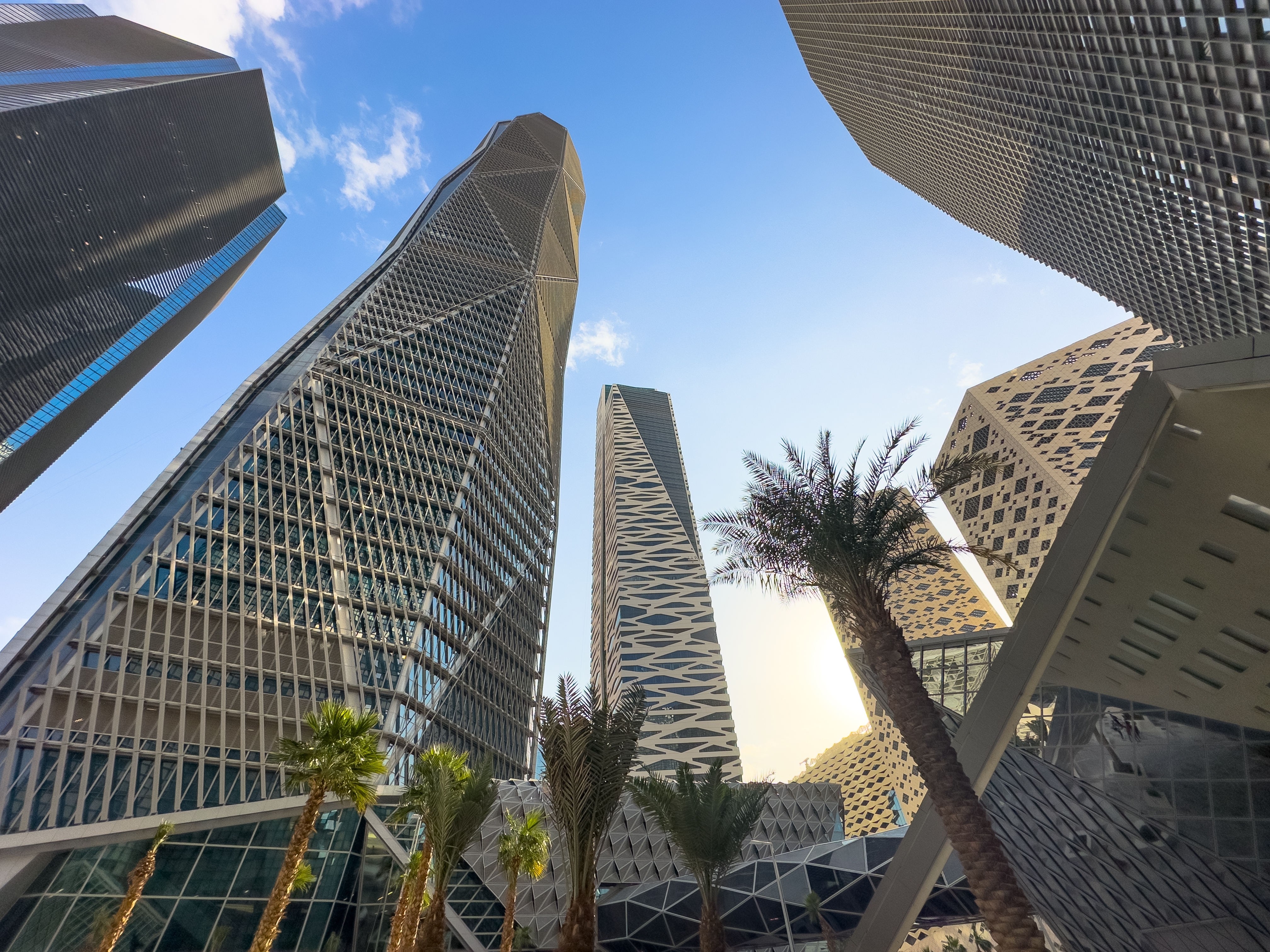
This year, Eid preparations unfold against a backdrop of remarkable momentum across the Kingdom's economic, social, and entertainment spheres, reflected clearly in the bustle of markets, the abundance of events, and the ever-expanding range of choices available to families.
Religious Preparations and Rituals
Preparations for Eid begin in earnest with the anticipation of the Shawwal crescent moon sighting. In Saudi Arabia, the Supreme Court issues a call for moon sighting, after which the first day of Eid al-Fitr is officially announced, and the final night of Ramadan becomes one of eager anticipation and preparation.
The Ministry of Islamic Affairs prepares thousands of mosques and prayer grounds across the Kingdom - Riyadh, Jeddah, Dammam, Abha, and Madinah - ensuring they are ready to receive worshippers at dawn. Preparations include cleaning and maintenance, organising open-air prayer areas, and providing all necessary services to ensure that Eid prayers are performed in an orderly and comfortable setting.
Citizens and residents alike are keen to pay Zakat al-Fitr before the Eid prayer, in accordance with the Prophetic tradition. This is increasingly done through charitable organisations or digital platforms, which now allow for swift and convenient electronic payment in a clear reflection of the Kingdom's broader digital transformation.
Markets in Full Swing: The Season's Greatest Shopping Rush
The final days of Ramadan become a shopping season like no other. Major malls in Riyadh, Jeddah, and Khobar are especially busy in the evenings and well into the late hours of the night.
Eid clothing takes center stage for children and adults alike. Many Saudi families make a point of wearing new outfits on the morning of Eid, a social tradition that reflects both a sense of occasion and pride in appearance. Perfume and incense shops draw large crowds, as no Eid celebration feels complete without the scent of oud and musk filling the home.
Sweets, too, hold a special place. Ma'amoul in its various forms, kleicha, basbousa, and an array of modern chocolate confections dominate the scene. Some families still prepare sweets at home, while others prefer to purchase them from specialty shops, which often see long queues in the days leading up to Eid.
Eidiya: A Joy That Renews Itself Every Year
No account of Eid al-Fitr in Saudi Arabia would be complete without mentioning the Eidiya: a cherished tradition of gifting money to children, who await it with great excitement. Typically given by elders to the young, the Eidiya has evolved in recent years to include digital transfers via banking apps and e-wallets, reflecting the seamless way in which modernity has woven itself into longstanding tradition. At its heart, however, the Eidiya remains a symbol of generosity and connection, strengthening family bonds in an atmosphere of warmth and happiness.
Eid Morning: Rituals That Never Change
Eid morning in Saudi Arabia carries its own distinct character. People rise early, dress in their finest, and make their way to the Eid prayer amid the resonant sound of takbeer filling the air.
After prayers, family visits begin. In some regions, the tradition of al-mu'ayada (a collective greeting gathering) remains very much alive, with the men of a neighbourhood assembling at the home of the family patriarch or in a designated guesthouse to exchange congratulations in an organised and convivial fashion. Women, meanwhile, gather at a family member's home, where a generous morning spread is laid out.
Traditional dishes that grace the Eid table include kabsa, jareesh, and qursan, alongside Arabic coffee and dates. In the western regions, dishes such as dabiaza and saleeg often make an appearance, while the Eastern Province is known for its distinctive seafood offerings.
Entertainment and Festivities: Eid in the Major Cities
Recent years have seen a significant expansion in Eid festivities organized by entertainment and tourism authorities. In Riyadh, Jeddah, and Dammam, fireworks displays light up key locations, alongside musical performances and theatrical shows designed for families.
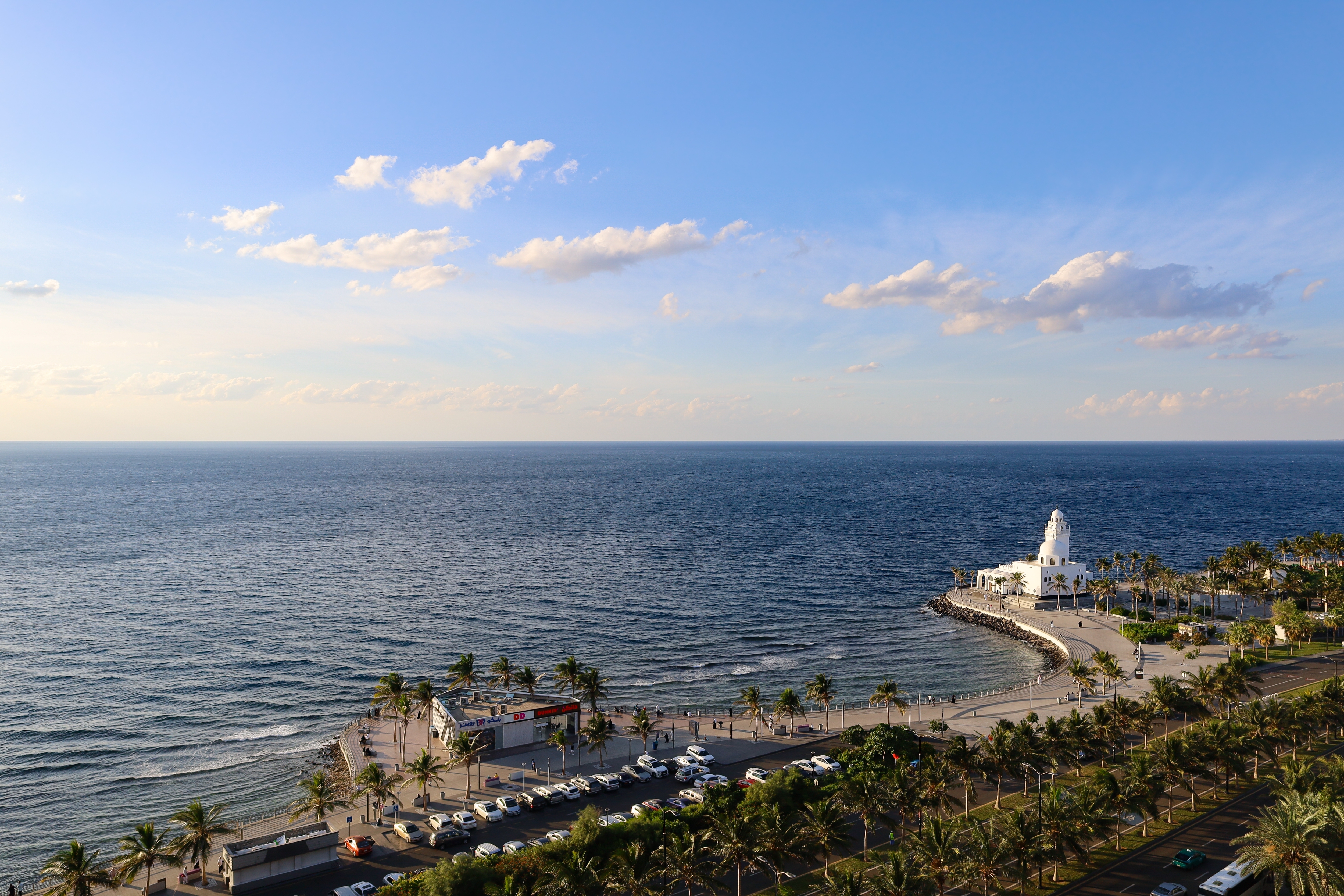
Public parks and waterfront promenades draw large crowds, particularly in coastal cities such as Jeddah and Khobar, where families head to the corniche to spend Eid evenings in the open air. Shopping malls also host dedicated children's events, making them a comprehensive destination for both shopping and fun.
Travel: Near and Far
The Eid holiday provides a welcome opportunity for travel. Some families choose to spend the occasion in scenic destinations within the Kingdom, such as AlUla, Abha, or Taif, taking advantage of the relatively mild weather in some mountain regions.
Others opt for nearby international destinations, particularly within the Gulf, or further afield to Turkey and Eastern Europe.
The Social Dimension: Eid as a Time for Reconciliation
In Saudi culture, Eid al-Fitr is an occasion for mending relationships. Many use these days to renew ties, visit those they have grown distant from, or put old disagreements to rest. This social dimension speaks to the essence of Eid as a unifying event that reorders priorities and reaffirms the value of family and solidarity.
A Strong Presence of Cultural Identity
Despite modernisation and rapid change, expressions of local identity remain prominently visible. Traditional dress — the thobe and shemagh for men, and the embroidered abaya for women — is worn with pride on Eid morning. Timeless greetings such as "Assakum min awwadeh" and "Min al-'ayideen wal-fa'izeen" are exchanged warmly, keeping a rich oral heritage alive in the collective memory.
Eid: A Balance Between Spirit and Society
In Saudi Arabia, Eid al-Fitr is a complete spiritual and social experience. It begins with the announcement of the crescent moon and unfolds through prayer, family visits, festivities, and travel, creating a shared national moment of collective joy.
This year, the spirit of Eid feels more vibrant and varied than ever, without having lost any of its deeper roots. It is a delicate balance between heritage and renewal; between the first takbeeraat at dawn and the laughter of children counting their Eidiya.
Eid al-Fitr in Saudi Arabia remains, year after year, an occasion that redefines joy and offers society a rare collective moment in which everyone gathers under a single banner of happiness and shared security.
-jpg.jpeg)
-jpg.jpeg)