Published: 23 February 2026
As February 2026 is underway, Saudi Arabia readies itself for Ramadan in a mood that feels at once rooted and refreshingly current. This year, the Holy Month falls in winter, lending the Kingdom a particular charm: evenings are cool enough for open-air iftars, lantern-lit seating, and unhurried suhoors that carry on until the first hint of dawn. From Makkah and Madinah at their most spiritually resonant to Riyadh and Jeddah as cultural and entertainment powerhouses, Ramadan this year offers a distinctive, richly layered way of marking the season.
Riyadh: Ramadan Tents and Nights that Keep Momentum
Riyadh, true to form, becomes a hive of social life throughout Ramadan. In 2026, the Ramadan tent returns as one of the capital’s defining motifs, appearing in contemporary interpretations alongside designs that draw from the language of traditional Saudi architecture.
Luxury Hotels
Hotels such as The Ritz-Carlton and Four Seasons compete to deliver standout Ramadan tents, where classic Arabian details are matched by the polish and pace of world-class hospitality.
The Groves
A leading address for those after something more elevated, The Groves sets the scene for outdoor Iftar and suhoor among greenery, with live sets of soft oriental music that keep the mood composed and the conversation flowing.
Historic Diriyah
Often called the Kingdom’s jewel, Diriyah offers a heritage-led iftar experience in At-Turaif district. Visitors can enjoy authentic Najdi dishes among historic mud-brick buildings, an evening that feels like stepping back into a simpler, deeper time.
Jeddah: Al-Balad’s Stories that Live On
Al-Balad sits at the heart of Ramadan in Saudi Arabia. With restoration work continuing, the district becomes an immersive Ramadan setting, with the spirit of old Jeddah felt in every lane and courtyard.
Traditional Food Stalls
Stalls serving kebdah ( hot-griddled liver) folded into bread, balila (warm chickpeas) brightened with lemon and spices, and a rotating spread of Hijazi sweets spill into Al-Balad’s alleyways, while vendors in traditional dress revive old Hijazi chants, giving the streets a familiar, lived-in rhythm.
Hakawati Storytelling
The hakawati returns in earnest to the courtyards of old Jeddah, drawing children and adults alike into tales from Arab heritage, strengthening the thread between generations.
Ramadan Art
Historic houses host exhibitions of Arabic calligraphy and Islamic Art, turning the city centre into an open-air gallery of creative expression and seasonal atmosphere.
Ramadan in Al-Ula: Stillness, Lanternlight and Living History
During Ramadan 2026, Al-Ula becomes an open stage for quieter cultural experiences that suit both the place and the month. The mood here is different: no unnecessary clamour, just programmes designed to be enjoyed at an even keel in a city shaped by civilisations spanning thousands of years.
Ramadan Evenings in The Old Town
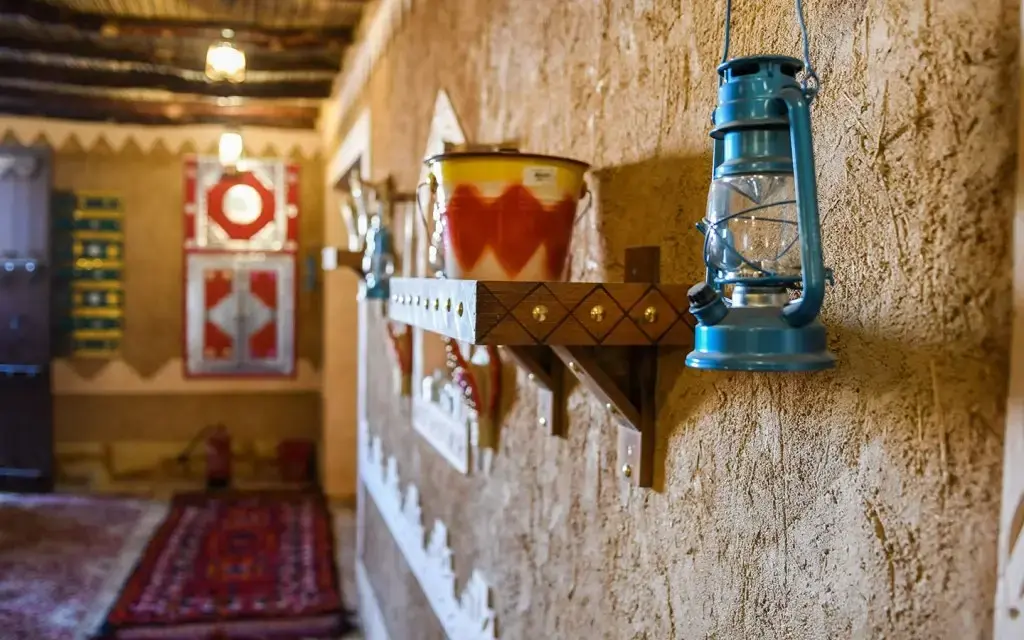
As night settles, cultural and poetic evenings take their cues from local heritage. Lanterns pick out the lanes, talks trace the region’s history, and soft music is carried by traditional instruments. After iftar, an unhurried walk through the mud-brick streets becomes a reflective pause in its own right.
Heritage-Flavoured Iftar and Suhoor
Al-Ula stages iftar and suhoor in settings that feel inseparable from the landscape itself – framed by sculpted rock formations or set within open historic courtyards. Local dishes arrive with a light contemporary refinement, yet keep their original character intact, staying true to the flavours and rituals that anchor them.
Family and Cultural Programming
In between, the rhythm is set by small, human-scale moments: hands learning old craft traditions, kitchens carrying the scent of Ramadan dishes, and modest markets where family-made produce and hand-finished pieces change hands. Everything is held with a light touch – rooted in the spirit of Ramadan, without drifting into anything performative.
Spirituality: The Lifeblood of the Holy Month
The Two Holy Mosques remain the first and most important destinations. Nowadays, with many expansion projects completed and digital services further enhanced, the experience for pilgrims and visitors becomes smoother and more straightforward.
In Makkah
Rows of worshippers fill the Grand Mosque and its surrounding courtyards, while large communal iftars bring hundreds of nationalities to a single table. In 2026, a stronger sustainability focus shapes the way meals are prepared and distributed, with clearer steps to curb food waste and reduce excess.
In Madinah
Taibah holds on to its customary calm. In the courtyards of Al-Masjid an-Nabawi, cultural programmes offer context on the Prophet’s life, complemented by guided visits to sites such as Quba Mosque and Mount Uhud.
Technology and Sport in Ramadan 2026
Formula 1: Saudi Arabian Grand Prix
Jeddah’s place on the global racing calendar is expected to fall just after Ramadan and Eid Al Fitr, bringing a natural lift in visitor numbers. Around the Grand Prix, the city’s entertainment programme gathers pace, with sporting anticipation and a lingering festive mood running in parallel.
“Spirit of Saudi” Applications
Across the season, updated digital platforms act as a smart Ramadan companion, making it easy to reserve tables, gauge congestion in popular areas, and join the Ministry of Culture’s digital competitions as they go live.
Social Solidarity and Charitable Initiatives
The story of Ramadan in Saudi Arabia is inseparable from giving. Year after year, a steady current of generosity runs through the month from beginning to end, expressed in small, consistent acts as much as in larger initiatives. In 2026, that tradition is sharpened and streamlined through platforms such as Ehsan, which make it easier to support iftar programmes and families in need through more interactive, accessible tools. During the Holy Month, charity sits naturally within daily life: practical, sustained, and driven by genuine intent.
A Season that Reflects Identity and Progress
Ramadan 2026 offers a clear view of a Kingdom in motion. Winter’s cool air keeps courtyards and outdoor settings alive long into the night, while the warmth of shared gatherings continues to do what it has always done: drawing communities together with quiet ease. The setting shifts between Diriyah’s heritage textures and Riyadh’s contemporary pulse. In that balance, tradition is woven into the season in a way that feels distinctly Saudi.