Published: 18 October 2024
Saudi Arabia’s historic cities stand as living testaments to civilisations that flourished across millennia. These ancient settlements were once vibrant cultural and civilisational hubs that shaped the identity of the Arabian Peninsula. Many of them date back to pre-Islamic eras, serving as key stations along the legendary trade routes that linked Arabia to the rest of the ancient world.
Qaryat al-Faw
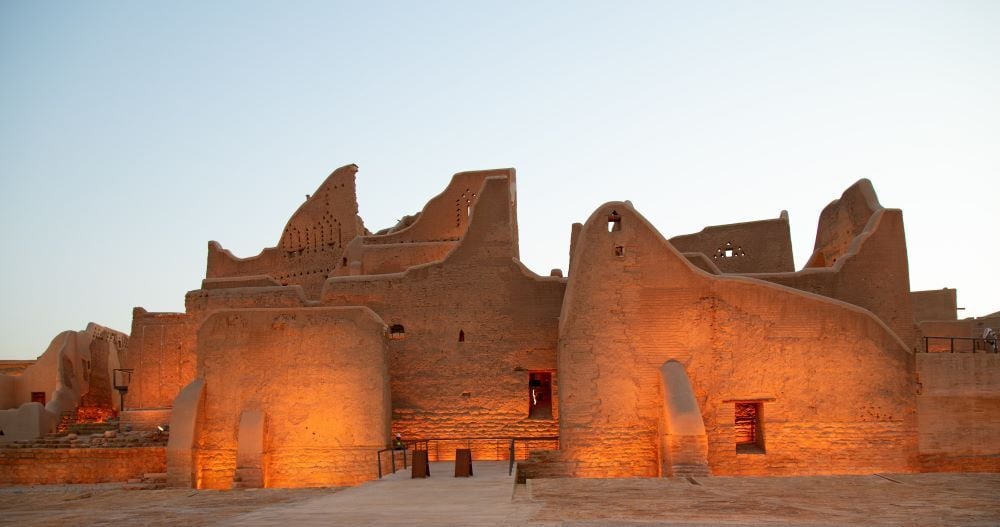
Among the most significant archaeological sites in the Kingdom, Qaryat al-Faw was once the capital of the Kindah Kingdom, which prospered from the 4th century BCE to the 4th century CE. Located about 300 kilometres from Najran, near the Al-Faw canal from which it takes its name, the city thrived due to its advanced urban planning and strategic position on the ancient caravan routes. This location made it a vital gateway for trade between southern and northern Arabia, fostering economic and cultural prosperity.
Archaeological excavations have revealed temples, homes, inscriptions and drawings depicting scenes of everyday life of the village inhabitants — tangible evidence of a remarkably sophisticated civilisation that once flourished there.
Al-Ukhdood
Situated in the Najran region in southwest Saudi Arabia, the ancient city of Al-Ukhdood dates back to the Himyarite Kingdom, which flourished between 110 BCE and 525 CE. Once a thriving city on the banks of Wadi Najran, Al-Ukhdood is famously linked to the Qur’anic story of the “People of the Ditch” — a tale of believers persecuted for their faith.
The ruins of Al-Ukhdood reveal the remnants of temples, fortifications and large stone structures, along with inscriptions that chronicle moments from its storied past. The city played an important role within the Himyarite civilisation that ruled southern Arabia, reflecting both its religious and architectural significance.
Madain Saleh
Also known as the city of Al-Hijr, Madain Saleh is among Saudi Arabia’s most iconic archaeological landmarks. Located in AlUla Governorate, the city once formed part of the Nabataean Kingdom and served as an important station along the ancient trade route connecting Arabia with the Levant.
Famed for its striking sandstone formations and unique rocky terrain, Madain Saleh is carved directly into the rock — its monumental tombs and temples echoing the architectural mastery of the Nabataeans. The site is also associated with the Qur’anic tribe of Thamud, known for carving their dwellings into the mountains. Its strategic location along the trade route between north and south Arabia made it a flourishing religious and commercial hub during that time.
Jubbah
Located in northern Saudi Arabia, Jubbah is home to some of the oldest rock carvings in the Arabian Peninsula, dating back to the Middle Stone Age. Its vast petroglyphs depict scenes of hunting, herding and daily life — vivid records of early human civilisation.
In addition to the Thamudic inscriptions, archaeologists have also unearthed prehistoric stone tools, confirming that Jubbah was inhabited thousands of years ago. Today, it is recognised as a key centre for understanding the evolution of human settlement and culture in the region.
Al-Shuwayhitiyah
Found in the Al-Jawf region, Al-Shuwayhitiyah is considered the oldest archaeological site on the Arabian Peninsula, predating the Stone Age. Excavations have uncovered stone tools estimated to be over one million years old, marking it as one of the earliest known human settlements in the region.
The discovery of Al-Shuwayhitiyah has greatly enriched our understanding of prehistoric Arabia, offering evidence that human habitation here extends far deeper into history than previously believed.
Thaj
Situated in the Eastern Province of Saudi Arabia near the ancient caravan route known as Darb al-Kinahri, Thaj was once one of the largest inhabited cities of ancient Arabia. The city was fortified with walls and moats, designed to protect it from invasions, and thrived as a centre of commerce and craftsmanship.
Thaj is best known for the discovery of the “Treasure of the Princess of Thaj” — an exquisite collection of gold artefacts, including necklaces, bracelets, and a gold mask. These treasures reflect the wealth, artistry and refined taste that defined this ancient civilisation.
Jarash
Located in the Asir region of southwest Saudi Arabia, the ancient town of Jarash dates back to pre-Islamic times. Archaeologists have uncovered remains of stone and clay buildings, along with inscriptions and carvings that document the lives of its inhabitants during that time.
Jarash served as a key commercial and cultural centre, linking southern Arabia with the north. Its prosperity contributed to the social and economic growth of the region long before the rise of Islam.
Faid
Located southeast of the city of Hail, Faid is one of the ancient cities that prospered in the pre-Islamic era. Renowned for its numerous prehistoric rock art and inscriptions, the city was also a major stop along the historic Zubaida Trail also known as Darb Zubaidah — the pilgrimage route used by travellers journeying from Iraq to Makkah.
Saffaqah Settlement
Saffaqah, located southeast of Al-Dawadmi, is an archaeological settlement containing artefacts from both the early and late Stone Ages. Its layered history makes it an invaluable site for studying the development of human life and technology in the Arabian Peninsula.
Khayf al-Zahrah
North of AlUla lies the rural settlement of Khayf al-Zahrah, dating back to the first millennium BCE during the Dadanite period. The settlement flourished as an agricultural and trading centre that benefited from its natural landscape between fertile valleys and mountains.
Tarout Island
Set in the Arabian Gulf, Tarout Island is one of the oldest inhabited locations in the region, with evidence of human presence dating back more than 5,000 years BCE. The island’s archaeological remains reveal ancient settlements that document the evolution of early civilisations along the Gulf coast.
Al-Juhwah
Located in the Asir region, south of Wadi Nammas, Al-Juhwah is believed to date back around 4,000 years. It was settled by migrants from Yemen following the collapse of the Marib Dam, marking an important chapter in the history of migration and trade across Arabia.
Together, these historic cities and archaeological sites embody the deep cultural and civilisational roots of Saudi Arabia going back thousands of years. Each offers a glimpse into the Kingdom’s enduring legacy — a land that has long stood at the crossroads of history, culture and human progress.
-jpg.jpeg)
-jpg.jpeg)